Blacking out the bedroom: 7 tips for restful sleep
How to black out a bedroom properly: which products really darken a room, how to stop light leaking at the edges, and 7 hands-on tips from a Berlin shading expert.
In the bedroom, light decides how you sleep. A bright street lamp or the early summer sun is enough to pull you out of deep sleep. The good news: with the right shading you can make almost any room pitch dark — as long as a few details are right.
In this guide you'll learn which products actually black out a room, why the edges matter more than the surface, and how we at Decocity in Berlin ensure real darkness when we measure up.
Why blackout matters in the bedroom
Your body only produces the sleep hormone melatonin in darkness. When light hits the retina — even with your eyes closed — the brain throttles its release and sleep becomes shallower. A consistently darkened room helps you fall asleep faster and sleep through the night.
On top of that comes comfort: no glare while watching TV, more privacy in the evening, and a noticeably cooler room in summer. Blackout is therefore sleep quality, privacy and heat protection in one.
How dark does it really need to be?
There are three levels of light transmission. For the bedroom the darkest is usually relevant — but not always:
- Transparent: filters light gently but only blocks views during the day. Better for the living room.
- Semi-transparent / opaque: dims clearly and provides round-the-clock privacy, but still lets residual light through.
- Dimout / blackout: absorbs almost all daylight — the right choice when the bedroom really needs to go dark.
It isn't the fabric that decides the darkness, it's the edges. A perfect blackout fabric is little use if light slips past the sides.
— Christian Trautvetter, shading expert
The best products for blackout
Several product types black out reliably — which one fits depends on the window, budget and style.
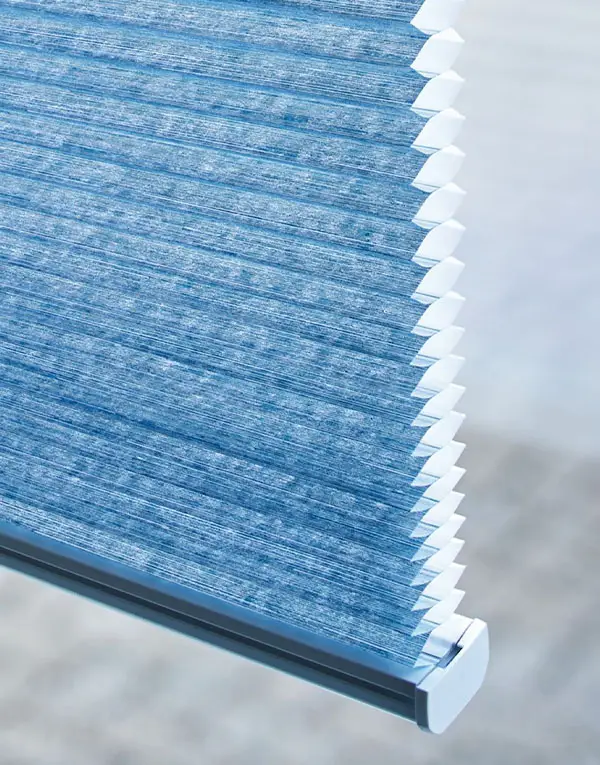
Honeycomb pleated blind in dimout quality
Our favourite for the bedroom. The honeycomb structure forms an insulating air cushion: it darkens, keeps the heat out in summer and reduces heat loss in winter. With side guides the blind becomes almost light-tight.
Blackout roller blind with side rails
Simple, space-saving and very effective — provided the blind runs in side guide rails. Without rails a bright halo of light remains left and right.
Curtains in dimout fabric
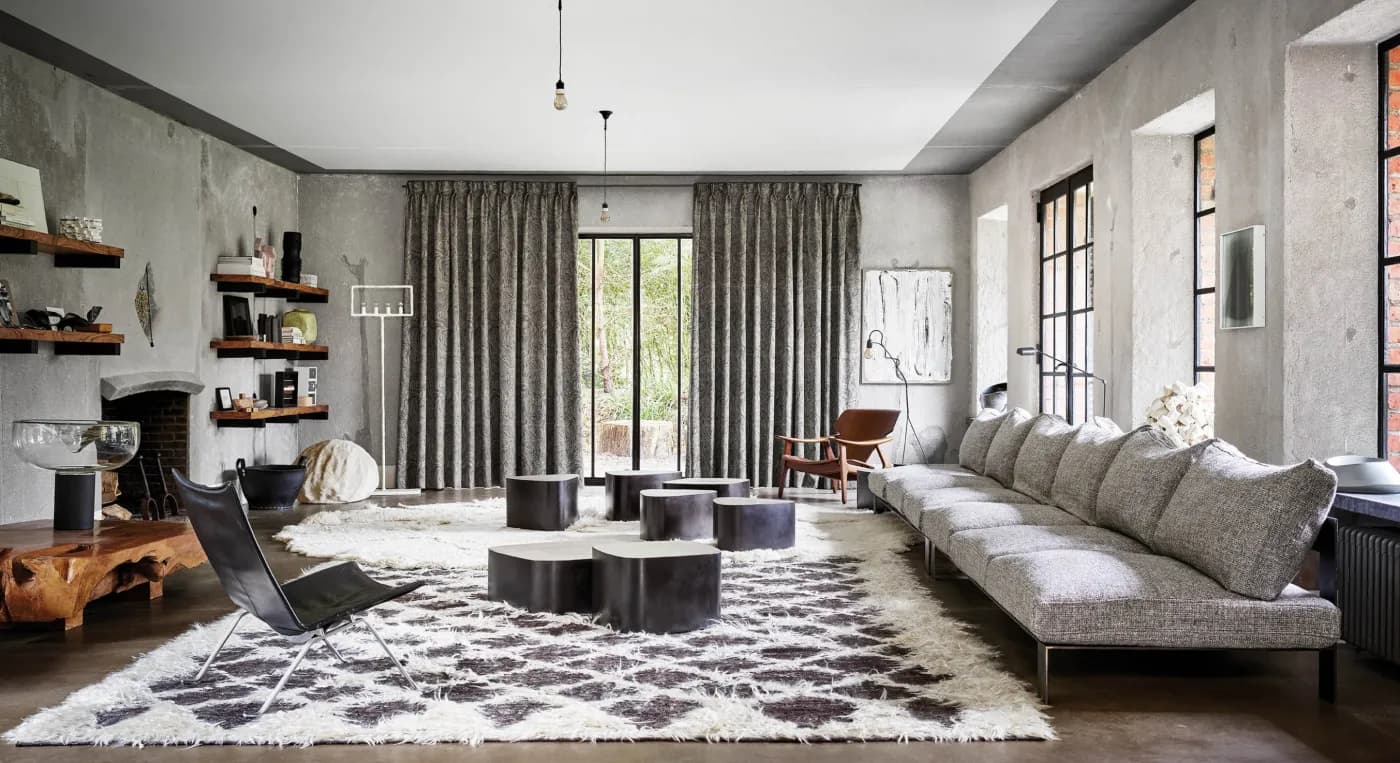
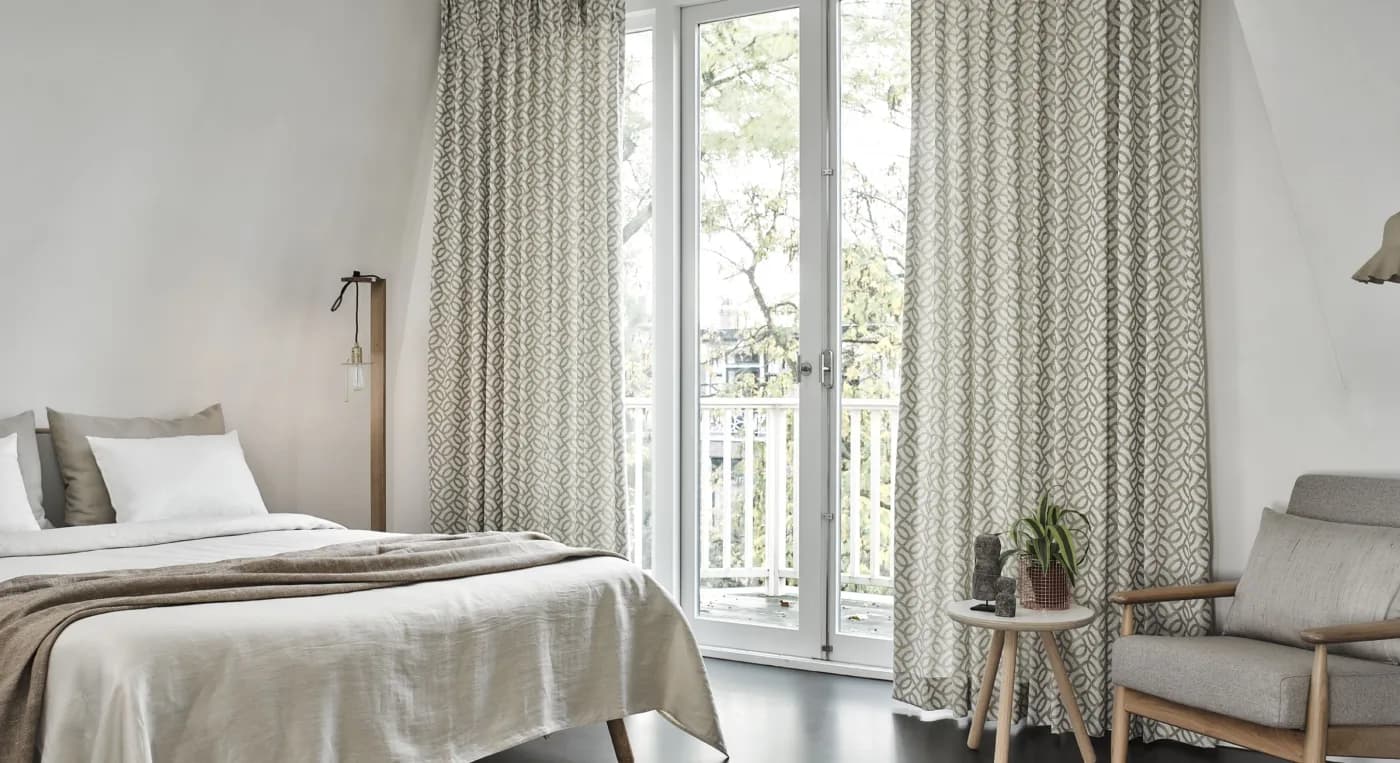
If you prefer something softer and cosier, combine an opaque dimout curtain with a floor-to-ceiling, wide hanging. The more the fabric overlaps the window at the sides, the darker the room.
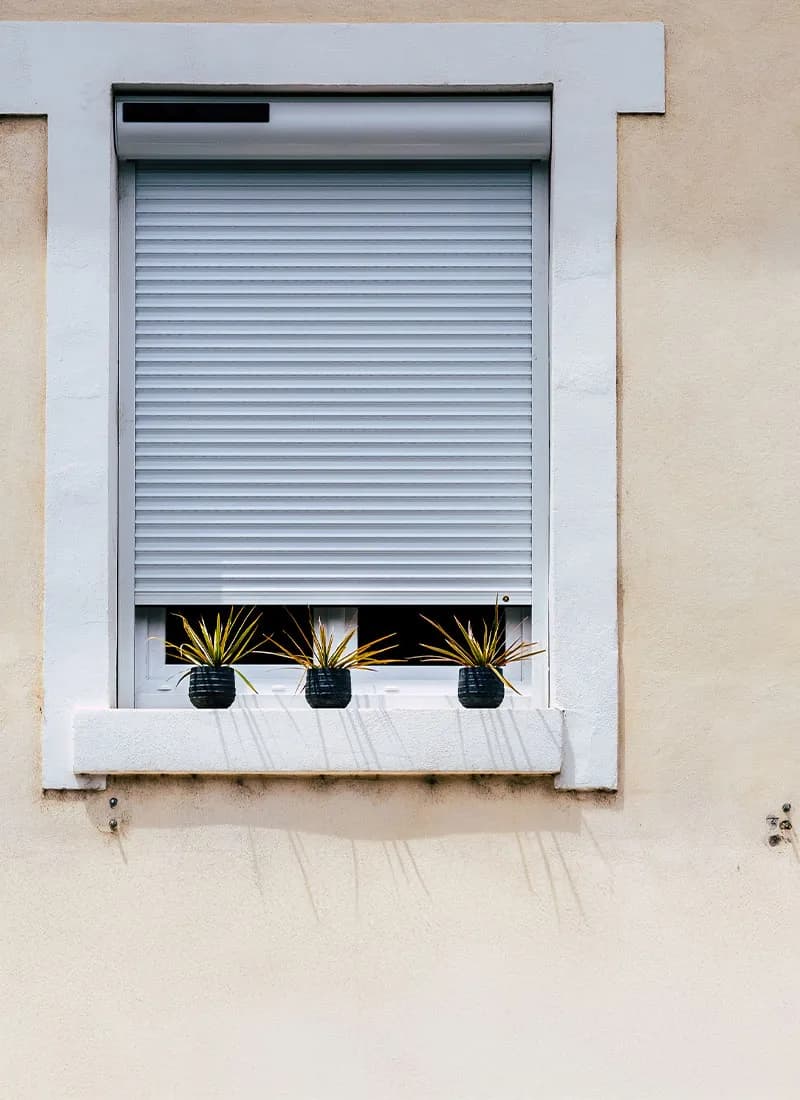
Exterior roller shutters for maximum effect
The darkest and at the same time best solution against summer heat: exterior shading stops the warmth before it reaches the glass. Ideal if a renovation is due anyway.
Stopping residual light at the edges
The biggest misconception: many people buy an expensive blackout fabric and are surprised it still doesn't go dark. The reason almost always lies at the edges.
- Choose the mounting spot: mounted in the glazing bead or directly on the sash, the fabric sits closer to the glass — less side light.
- Plan for guide rails: side rails are the most effective lever against light halos.
- Measure generously: for wall or ceiling mounting, the product should overlap the window all round.
Ask to be shown the difference with and without side guides right at the window during your appointment. That way you see in the real light of your room how much darkness is actually possible.
7 tips at a glance
- Choose dimout or blackout fabrics rather than just opaque.
- Plan for side guide rails — they make the biggest difference.
- Mount as close to the glass as possible (glazing bead or sash).
- Let the product overlap the window generously.
- Honeycomb pleated blinds darken and insulate at the same time.
- For heat protection, exterior shading works best.
- Measure precisely — or have a professional measure for free.
Conclusion
A dark bedroom is no accident — it's a question of fabric, mounting and millimetres. With a dimout honeycomb pleated blind or a blackout roller blind with side rails you can make almost any room pitch dark — and sleep noticeably better.
Not sure which solution fits your window? We come by for free, measure up and show you the blackout right in the real light of your room. Request a no-obligation appointment now.